Pleasanton performance guide
Energy-Efficient Windows in Pleasanton: Treat every rating as part of a balanced specification.
Pleasanton energy comparisons should hold the product and installation method constant long enough to reveal real differences. An insert approach and a more complete nail-on path can change visible glass, flashing access, cladding disturbance, finish work, and price. Our team inspects the existing frame first, then compares exact labels and included work on equivalent assumptions.

Energy-efficient windows
Use whole-window ratings to choose glass for each room.
Compare complete-window ratings for the actual Pleasanton room, then balance heat flow, solar gain, daylight, ventilation, and the glass appearance you want to live with.

Measurements and replacement methods for Pleasanton homes
Our team photographs the window, retained frame, sill, trim, wall finish, cladding, and visible condition from both sides. The company notes room use, orientation, shade, comfort goals, operation, and the amount of glass the homeowner wants to preserve. It measures frame depth and opening dimensions before presenting an insert or nail-on approach as the assumed solution.
Our team writes what each method is expected to retain, expose, remove, and finish. An insert may preserve more surrounding material but add another profile within the opening; a more complete removal may expose areas needed for different perimeter work and can disturb more finish. The actual condition and project scope should guide the recommendation rather than a universal preference.

Compare Pleasanton products under the same installation assumption
Our team lists the manufacturer, series, size, operating style, glass package, frame finish, grids, screen, hardware, U-factor, solar heat gain coefficient, visible transmittance, published air-leakage data where available, and warranty information for each option. The company uses values for the exact configuration and compares products only when the installation and finish work included with those options is equivalent.
Our team adds proposed visible-glass dimensions and frame depth to the estimate because replacement method and product profile can both affect the view. The company reviews glass tone, shade, room use, and desired ventilation with the performance values. A lower total is not an equivalent value if it narrows the opening or excludes cladding, trim, perimeter, or finish work included elsewhere.

Write Pleasanton flashing, finish, and changes into the scope
The accepted method should define access to the opening, materials retained and removed, preparation, flashing visibility, water and air treatment, fastening, insulation, compatible sealants, cladding disturbance, interior trim, exterior repair, paint, debris removal, and responsibility for current permit or inspection questions. Our team identifies conditions that cannot be confirmed until removal without promising they exist.
Our team uses a documented change process if hidden deterioration appears: photographs, explanation, price, timing effect, and homeowner approval before extra work. At the final walkthrough, the team matches installed labels and options to the approved product list, tests operation, reviews seals, drainage, trim, cladding repairs, touch-up, and cleanup, and retains current project and warranty records with the final window list.
Energy-efficient windows
Choose whole-window performance for the rooms you use in Pleasanton.
Energy-efficient does not describe one universal glass package. Compare the exact window label with the room’s sun, shade, glass area, daylight, and ventilation needs.
Window Replacement
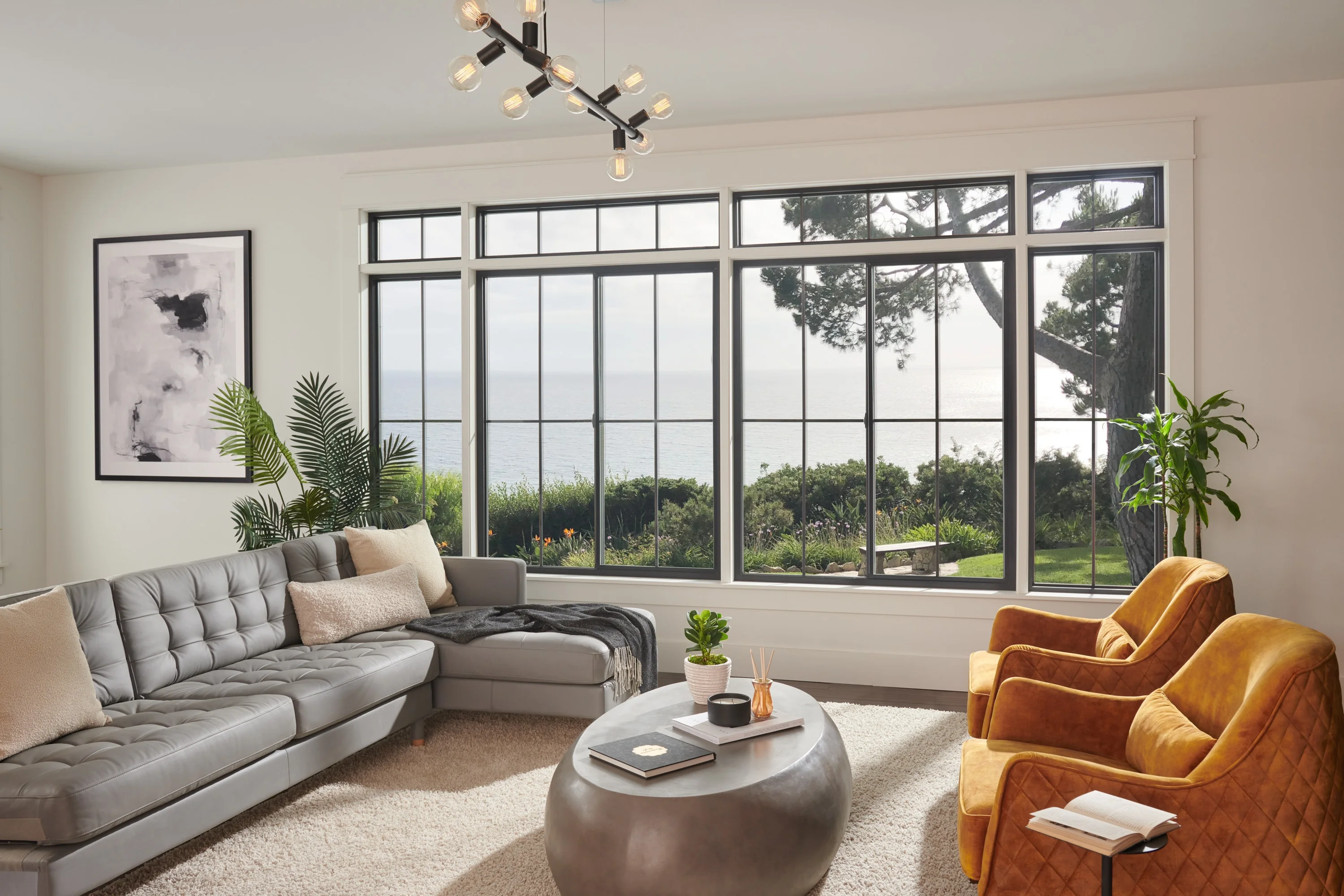
Read the complete-window label
Match ratings to the room instead of chasing one number.
U-factor, solar heat gain coefficient, visible transmittance, and air leakage describe different parts of performance. Review the values for the precise size, style, and glass package being quoted.
- Use ratings for the exact quoted configuration
- Note orientation, shade, and when comfort changes
- Balance solar control with daylight and ventilation

Performance measured alongside daylight
Compare whole-window ratings for the rooms in your Pleasanton home.
For windows in Pleasanton, compare U-factor, solar heat gain, visible transmittance, and air leakage for the exact proposed configuration with orientation, shade, room use, visible glass, frame condition, and the exact rated configuration. Product ratings describe the tested window; the estimate must separately explain the installation and finish work.
- U-factor
- For the whole product—not the glass alone—U-factor expresses thermal transmittance. Smaller numbers indicate greater resistance to heat moving through the tested configuration.
- Visible transmittance
- Visible transmittance expresses the share of visible light entering through the rated window. Higher values typically preserve more daylight.
- Solar heat gain coefficient
- Solar heat gain coefficient shows how much incident solar energy the complete unit admits. Orientation, shade, room use, and climate give the number context.
Plan the next step
Make Pleasanton energy quotes comparable by method and scope
The clearest comparison uses the inspected opening, exact configuration labels, proposed visible glass, a named installation method, equivalent finish assumptions, and a written process for conditions found after removal.
- Existing frame, sill, wall, cladding, room goal, and measured depth
- Insert and nail-on assumptions, retained materials, and removal extent
- Exact product ratings, glass, profile, visible area, and operation
- Flashing access, perimeter treatment, cladding, trim, and finish work
- Changes, installed labels, final operation, cleanup, and documents